
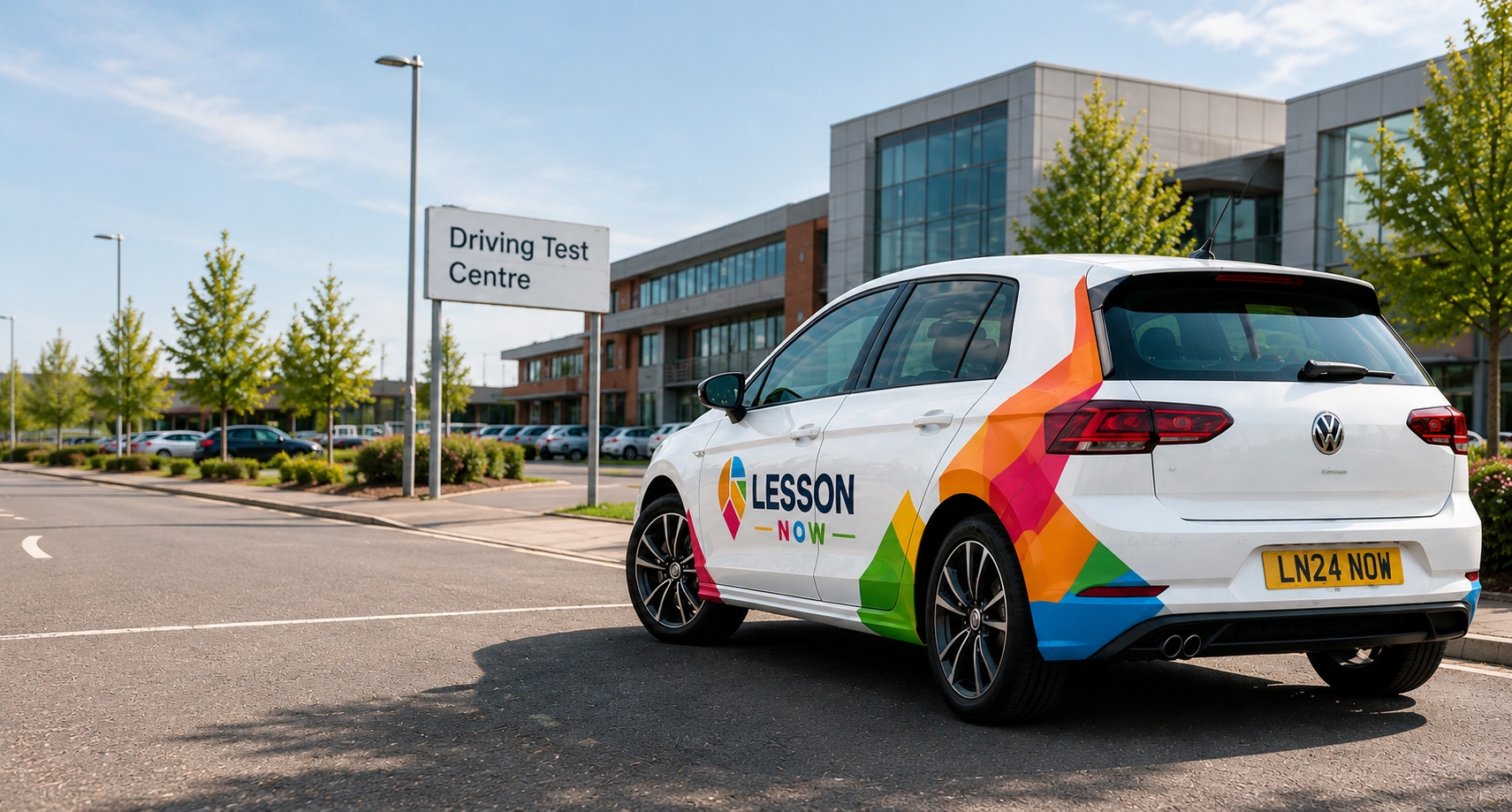
Understanding the Practical Driving Test
The practical driving test is the final stage of becoming a fully qualified driver. Conducted by a DVSA examiner, the test assesses whether you can drive safely, confidently, and independently in a variety of real-world road conditions.
The examiner is not looking for perfection. They want to see that you can make safe decisions, maintain good vehicle control, and respond appropriately to traffic situations.
Before the Test Begins
You'll need to:
* Bring your valid provisional driving licence.
* Arrive on time at the test centre.
* Ensure you're familiar with the vehicle being used.
* Complete an eyesight check.
* Answer a "Tell Me" vehicle safety question.
Being well prepared before the test starts can help reduce nerves and improve confidence.
Starting the Driving Test
Once the preliminary checks are complete, the examiner will explain how the test will be conducted and provide instructions throughout the assessment.
The practical driving test typically lasts around 40 minutes and includes a variety of road types and traffic conditions.
During the test, you will be assessed on
* Vehicle control
* Observation and awareness
* Use of mirrors and signals
* Speed management
* Road positioning
* Decision-making
* Following road signs and markings
* Interaction with other road users
The examiner will observe your driving throughout the journey while giving clear directions when needed.

Reversing Manoeuvres
During the practical driving test, you will normally be asked to complete one reversing manoeuvre.
Possible manoeuvres include:
Parallel Parking
Parking safely alongside another vehicle.
Bay Parking
Driving forward into a bay or reversing into a parking space.
Pull Up on the Right
Pulling up on the right-hand side of the road, reversing a short distance, and safely rejoining traffic.
What Examiners Look For
* Effective observation
* Good vehicle control
* Accurate positioning
* Safe decision-making
* Awareness of other road users
Taking your time and maintaining proper observation is often more important than completing the manoeuvre quickly.
Independent Driving
Independent driving forms an important part of the practical driving test and usually lasts around 20 minutes.
During this section, you'll either:
* Follow directions from a sat nav provided by the examiner.
* Follow road signs towards a destination.
The purpose is to assess your ability to drive safely while making your own decisions.
Helpful Tips
* Listen carefully to directions.
* Focus on safe driving rather than navigation.
* Continue calmly if you take a wrong turn.
* Maintain regular mirror checks.
* Plan ahead whenever possible.
Making a navigation mistake will not automatically result in a fault if you continue driving safely.
Emergency Stop (When Included)
The emergency stop exercise is no longer included in every practical driving test, but the examiner may ask you to perform one.
If selected, you'll be instructed to stop the vehicle safely and promptly when directed.
The Examiner Will Assess
* Reaction time
* Braking control
* Vehicle stability
* Steering control
* Observation before moving away
Key Advice
* Brake firmly but under control
* Keep both hands on the steering wheel.
* Avoid skidding where possible.
* Check your surroundings carefully before moving off again.
Practising emergency stops with your instructor can help build confidence for this exercise.
Understanding the Test Result
At the end of the practical driving test, the examiner will explain the result and provide feedback on your performance.
If You Pass
You'll receive a pass certificate and information about obtaining your full driving licence.
If You Don't Pass
The examiner will explain the faults recorded during the test and identify areas for improvement.
This feedback can be extremely valuable in helping you prepare for your next test attempt.
Types of Faults
* Driving Faults (minor faults)
* Serious Faults
* Dangerous Faults
Understanding these categories can help you focus on improving the areas that matter most.
How Do You Know You're Ready to Pass?
Most learners reach a point where they begin driving confidently without regular prompts from their instructor.
You may be approaching the test standard if:
* You can complete full lessons independently.
* You consistently drive safely in different conditions.
* You perform manoeuvres confidently.
* You pass mock driving tests regularly.
* Your instructor believes you are test-ready
Booking your test when you're genuinely prepared often improves your chances of success.
Should You Move Your Driving Test?
Sometimes learners feel pressured to take their practical driving test before they are fully prepared.
If you're still struggling with key skills or regularly making serious mistakes during lessons, it may be worth discussing your readiness with your instructor.
Consider Waiting If
* You are not consistently driving independently.
* You struggle with manoeuvres.
* Mock test results are below the test standard.
* Driving anxiety is affecting performance.
* Your instructor recommends additional practice.
Taking the test when you're fully prepared often leads to a more positive experience and a better chance of passing.