
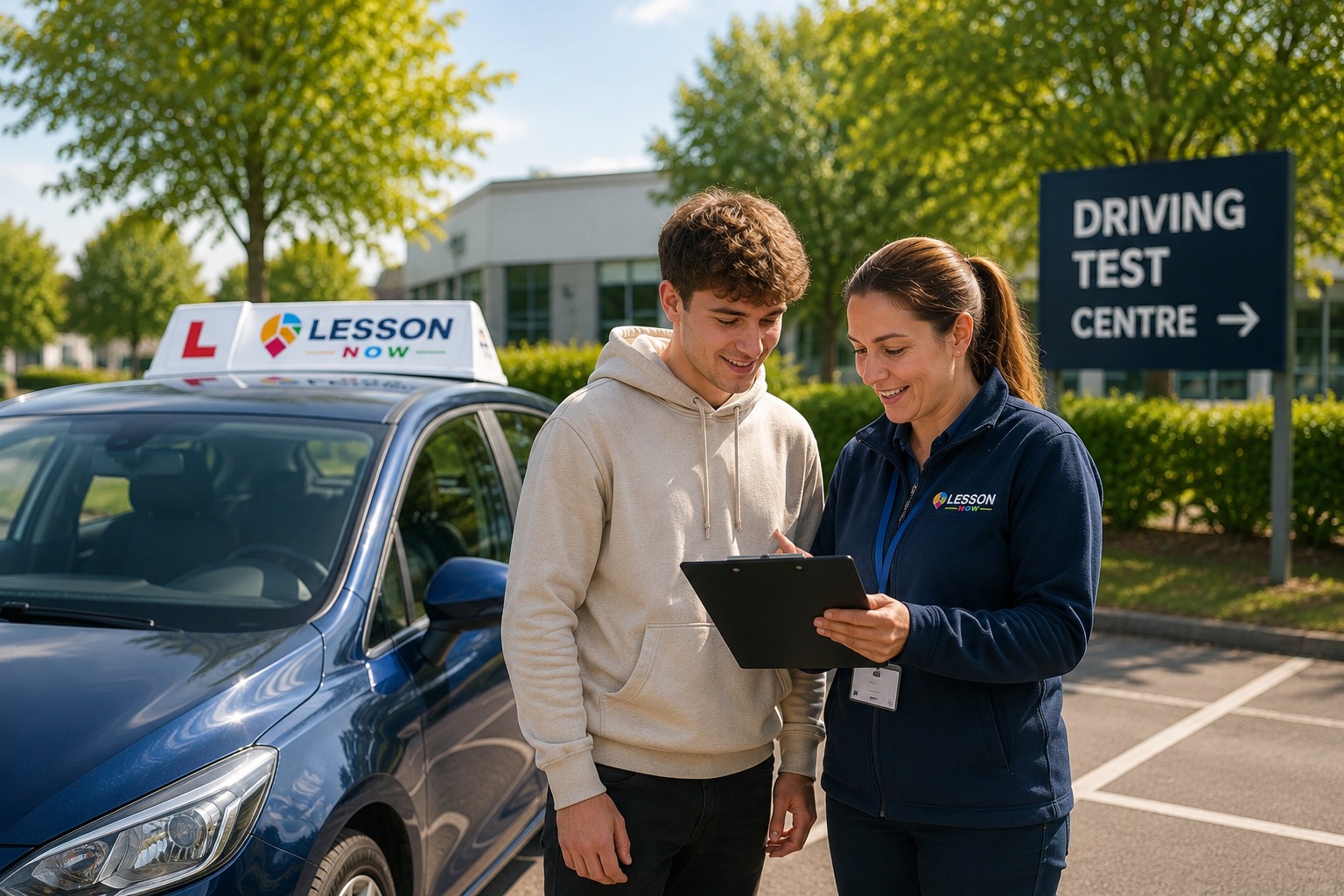
Driving Mock Test

What Is a Mock Driving Test?

A mock driving test is a practice version of the real DVSA practical driving test. It is designed to help learner drivers experience test conditions before the actual day, so they can understand what to expect and identify areas for improvement.
A mock test helps you:
* Experience realistic test conditions.
* Build confidence behind the wheel.
* Understand the examiner's expectations.
* Identify strengths and weaknesses.
* Prepare mentally for test day.
Many learners find that taking a mock driving test helps reduce nerves and improves performance during the real practical driving test.

See Price
courses
courses

What Does a Mock Driving Test Include?

A well-structured mock driving test should closely follow the official DVSA driving test format.
Typical Test Elements
* Eyesight check
* Vehicle safety questions
* General driving assessment
* Independent driving
* Reversing manoeuvre
* Driving on different road types
* Observation and hazard awareness
Your driving instructor will assess your performance using the same standards applied during the practical driving test.
This helps provide an accurate picture of your current driving ability and test readiness.

See Price

Vehicle Safety Questions

During your mock driving test, you'll be asked vehicle safety questions commonly known as "Show Me, Tell Me" questions.
Tell Me Questions
Asked before driving begins.
Examples include:
* How would you check that the tyres are safe to use?
* How would you check that the brake lights are working?
* How would you ensure the vehicle is roadworthy?
Show Me Questions
Asked while driving.
Examples include:
* Show me how to operate the windscreen washers.
* Show me how to use the rear demister.
* Show me how to clean the windscreen.
Understanding these questions can help you avoid unnecessary faults on test day.

Book Now
courses
courses

Demonstrate Safe and Independent Driving

A key part of both the mock test and the real driving test is showing that you can drive safely without constant guidance.
During the assessment, you'll be expected to:
* Follow road signs and markings.
* Respond safely to changing traffic conditions.
* Maintain appropriate speed
* Use mirrors effectively
* Make independent decisions
* Demonstrate awareness of other road users.
The aim is to prove that you can drive responsibly and confidently on your own.
Reversing Manoeuvres
You may also be asked to complete one maneuver, such as:
* Parallel parking
* Bay parking
* Pulling up on the right and reversing
Your instructor will assess control, observation, and accuracy throughout.

Book Now

Independent Driving Section

Independent driving usually lasts around 20 minutes and forms an important part of the mock driving test.
* Follow directions from a sat nav.
* Follow road signs towards a destination.
* Plan your own route safely.
* Continue driving independently
This section allows your instructor to assess how well you manage real driving situations without regular prompts.
Why It Matters
Independent driving helps prepare you for everyday driving after passing your test and builds your decision-making confidence.

You may be asked to:

Book Now
courses

Understanding Test Routes

There are no officially published DVSA test routes, but driving instructors understand the types of roads and situations commonly used during practical driving tests.
Mock driving tests often include:
* Residential roads
* Roundabouts
* Busy junctions
* Dual carriageways where applicable
* One-way systems
* Hill starts
* Local roads near test centres
Practising in realistic conditions helps learners become more comfortable and confident before test day.

Book Now
courses
courses

Why Mock Tests Improve Your Chances of Passing

Many learner drivers underestimate the value of mock driving tests.
A realistic mock test can help you:
* Experience genuine test conditions.
* Reduce anxiety before the real test.
* Identify areas requiring further practice.
* Improve concentration under pressure.
* Build confidence behind the wheel.
The more familiar you are with the testing process, the more comfortable you'll feel during your practical driving test.

Book Now

Emergency Stop Practice

An emergency stop may be included as part of your mock driving test preparation.
Your instructor will assess your ability to:
* React promptly to instructions.
* Brake safely and under control
* Maintain proper steering control.
* Check the surroundings before moving away again.
Although emergency stops are not included in every practical driving test, being prepared helps build confidence and improve overall vehicle control.
Key Reminders
* Stop safely without skidding.
* Keep both hands on the steering wheel.
* Remain calm and focused.
* Observe carefully before moving off.
Practicing emergency stops can help improve your overall driving skills and readiness for unexpected situations.

Book Now
courses